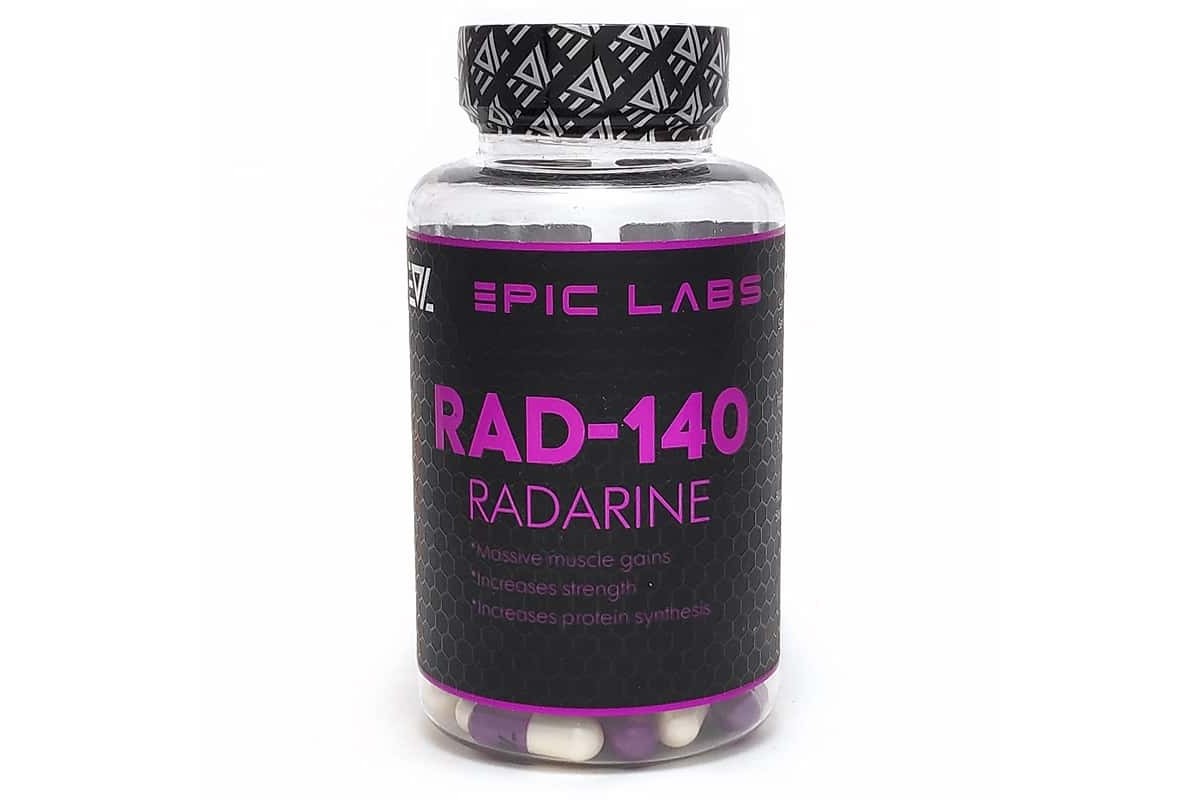
Description
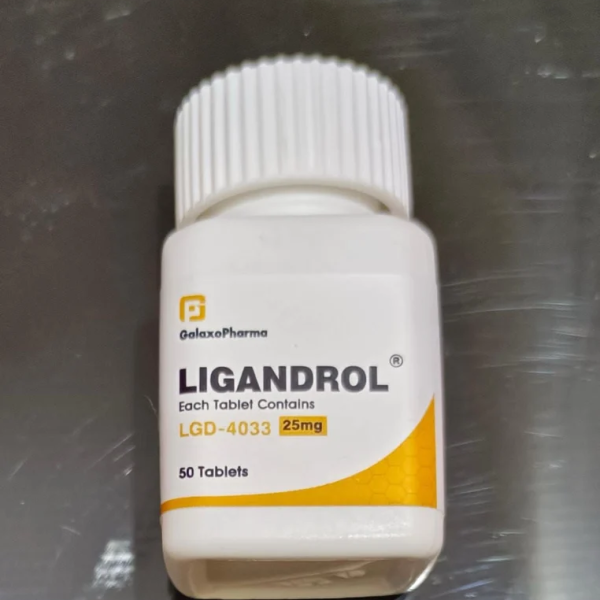
androgen receptor modulators (SARMs), including RAD-140, Enobosarm, and Ligandrol, promote anabolic effects on bones and muscles through binding to androgen receptors, similar to traditional anabolic-androgenic steroids such as testosterone.Unlike anabolic-androgenic steroids, SARMs do not have the unwanted androgenic effects because they are not metabolized to dihydrotestosterone by 5-alpha reductase or to estrogen by aromatase.Because of the high tissue selectivity of their anabolic actions, SARMs are being studied in several clinical applications, including sarcopenia, cancer-related cachexia, prostate cancer, breast cancer, and osteoporosis.Despite receiving a warning from the US Food and Drug Administration and being banned by the World Anti-Doping Agency, SARMs remain readily accessible in the online marketplace and are used as alternatives to anabolic-androgenic steroids for muscle and strength development. Unlike anabolic-androgenic steroids, which have a well-known hepatotoxic profile, only limited hepatic safety data are available for SARMs. We report a case of drug-induced liver injury caused by the use of the SARM RAD-140.
Reviews
There are no reviews yet.