
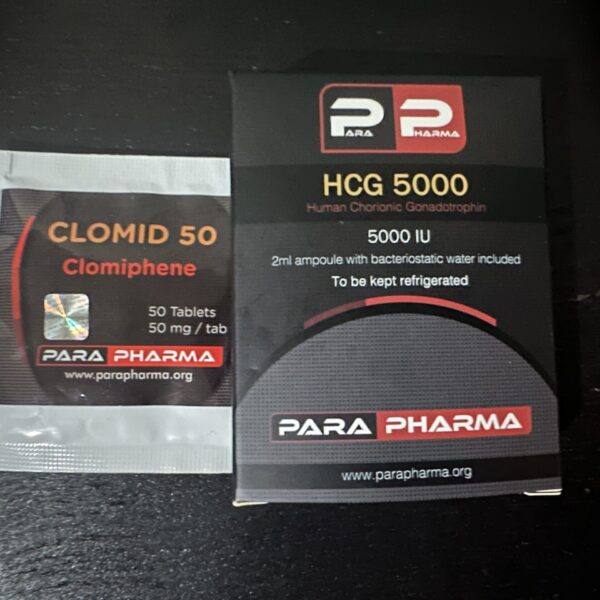
HCG 5000 IU in Australia: Benefits, Dosage Guide, FAQs, Side Effects, and Where to Buy HCG 5000 IU AUS | BuySteroidAustralia.com
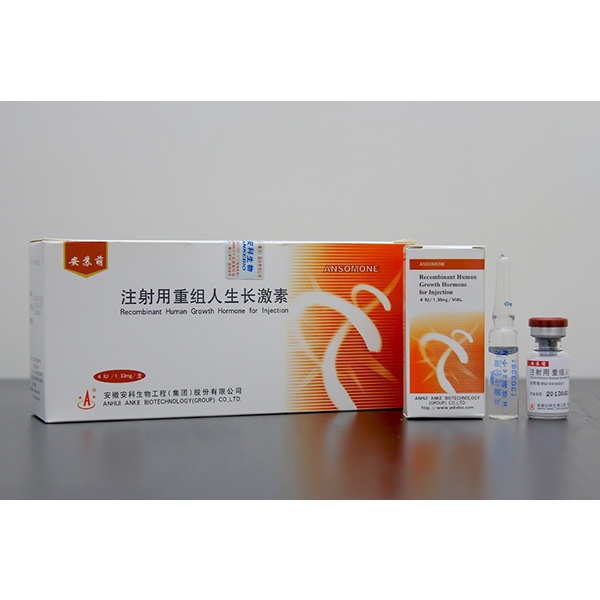
HCG 5000 IU (Human Chorionic Gonadotropin) is a crucial hormone therapy product widely used in Australia for supporting natural testosterone production, fertility, and post-cycle recovery. Popular among medical users and athletes undergoing anabolic steroid cycles, HCG helps maintain hormonal balance and reproductive health. If you’re searching where to buy HCG 5000 IU AUS, buysteroidaustralia.com is your trusted and best supplier for authentic HCG products.
What is HCG 5000 IU?
HCG mimics luteinizing hormone (LH) in the body, stimulating the testes to produce testosterone. The 5000 IU dosage is commonly used in medical treatments and as part of post-cycle therapy (PCT) for anabolic steroid users to prevent testicular atrophy and restore hormonal function.
Benefits of HCG 5000 IU
- Restores natural testosterone production after steroid cycles
- Maintains testicular size and function during and post cycle
- Supports male fertility by enhancing sperm production
- Helps balance hormones for improved energy and well-being
- Reduces risk of estrogenic side effects when used properly
Recommended Dosage for HCG 5000 IU
- Typical PCT Dosage: 500 to 1000 IU every other day for 2 to 3 weeks
- Medical Dosage: Varies based on condition, often prescribed by healthcare providers
- Administration: Subcutaneous or intramuscular injection following sterile techniques
- Storage: Keep refrigerated between 2°C and 8°C; avoid freezing
Note: Dosage should be personalized and supervised by a medical professional.
Side Effects of HCG 5000 IU
Possible side effects include:
- Headaches
- Mood swings or irritability
- Bloating or fluid retention
- Gynecomastia (rare, usually linked to estrogen imbalance)
- Injection site discomfort or irritation
Most side effects are mild and manageable with proper dosing and monitoring.
Frequently Asked Questions (FAQs)
Q: Where to buy HCG 5000 IU AUS safely?
A: Purchase from reputable suppliers like buysteroidaustralia.com to ensure genuine products and discreet shipping.
Q: How soon will I notice effects with HCG?
A: Testosterone production usually begins to normalize within days to weeks of starting HCG.
Q: Can HCG be used alone for testosterone recovery?
A: HCG is often used with SERMs like Clomid or Nolvadex for comprehensive post-cycle therapy.
Q: Is a prescription required to buy HCG in Australia?
A: Yes, HCG is prescription-only; buying from trusted suppliers ensures product authenticity and compliance.
Q: How should HCG be stored?
A: Refrigerate between 2°C and 8°C, protect from light, and do not freeze.
Why BuySteroidAustralia.com is Australia’s Best Supplier of HCG 5000 IU
- 100% authentic HCG sourced from verified pharmaceutical manufacturers
- Competitive pricing designed for Australian customers
- Fast, discreet shipping anywhere in Australia
- Expert support to guide you safely through dosing and cycles
Order Genuine HCG 5000 IU Today at BuySteroidAustralia.com
For trusted hormone support and post-cycle recovery, rely on buysteroidaustralia.com as Australia’s leading supplier of HCG 5000 IU. Achieve your health and fitness goals safely and confidently.
Visit buysteroidaustralia.com now to explore our full range and place your secure order
Reviews
There are no reviews yet.